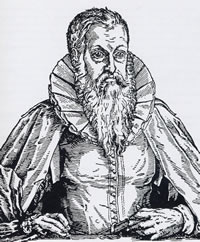
 Leonhard Kern (1588–1662)
female cannibal, Ivory statuette, (1650)
Ο Κανιβαλισμός ως ετυμολογία προέρχεται από το ισπανικό όνομα της φυλής Καρίμπ της Καραϊβικής, η οποία θεωρούνταν ότι επιδίδονταν στην ανθρωποφαγία, αν και οι αναφορές μάλλον είναι υπερβολικές και προκατειλημμένες για να αφαιρέσουν από τους ιθαγενείς την ανθρώπινη ιδιότητά τους και να τους μεταχειρίζονται σαν ζώα οι άποικοι.
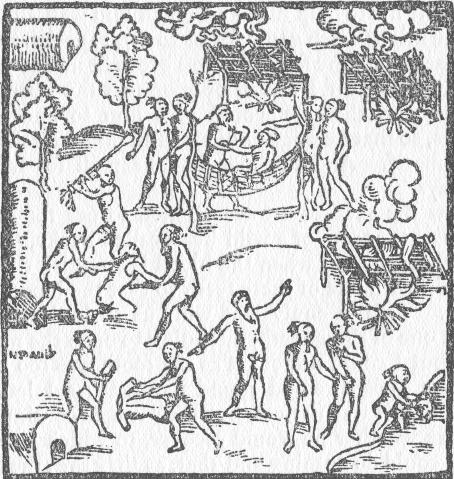
 A frightful but nevertheless truthful cruel emergency
of hunger and pestilential trouble which
happened in such a way in the country of
Reissen and Lithuania in year 1571
Όμως η ανθρωποφαγία ήταν μια πρακτική διαδεδομένη ανά τους αιώνες σε διάφορες φυλές και λαούς, κυρίως για τελετουργικούς σκοπούς, πιθανότατα από την πολύ προϊστορική εποχή. Εικάζεται ότι οι Νεάντερταλ επιδίδονταν σε κανιβαλισμό. Σήμερα περιορίζεται σε τελετουργικό κανιβαλισμό σε λίγες φυλές στα νησιά του Ειρηνικού, όμως υπάρχουν πολλές αναφορές στην Αφρική κατά τη διάρκεια σύγχρονων πολεμικών συρράξεων (Κογκό, Λιβερία, κλπ) ως μέσο ταπείνωσης του εχθρού.

 Reports of cannibalism were also recorded during the First Crusade, as Crusaders fed on the bodies of their dead opponents following the Siege of Ma'arrat al-Numan. It is also possible that the Crusaders staged such incidents as part of psychological warfare. Amin Maalouf also discusses further cannibalism incidents on the march to Jerusalem, and to the efforts made to delete mention of these from western history.(13th century)
Επίσης σε περιπτώσεις λιμού, ακόμα και πολιτισμένοι έχουν επιδοθεί στην ανθρωποφαγία νεκρών για να επιβιώσουν. Επίσης διανοητικά διαταραγμένα άτομα νοιώθουν παρόρμηση να τραφούν με ανθρώπινο κρέας.
 Cannibalism,
The Travels of Marco Polo (13th century)
Στις φωτό βλέπουμε καλλιτεχνικές αναπαραστάσεις ανθρωποφαγίας σε διάφορες περιστασεις, από τελετουργίες σε διάφορες φυλές, από λιμό, από ταπεινώσεις αιχμαλώτων και νεκρών σε πολεμικές περιόδους, καθώς και αναφορές από πιο σύγχρονα περιστατικά λόγω λιμού ή εγκληματικών ενεργειών
 Cannibalism in
Aztek Codex Magliabechiano (16th century)
Cannibalism (from Caníbalis, the Spanish name for the Carib people, a West Indies tribe well known for their practice of cannibalism). Cannibalism has recently been both practised and fiercely condemned in several wars, especially in Liberia and Congo. Today, the Korowai are one of very few tribes still believed to eat human flesh as a cultural practice. It is also still known to be practised as a ritual and in war in various Melanesian tribes. Historically, allegations of cannibalism were used by the colonial powers to justify the enslavement of what were seen as primitive peoples.
 Caspar Plautius (1621)
Devil worship and cannibalism in South America
Cannibalism was widespread in the past among humans throughout the world, continuing into the 19th century in some isolated South Pacific cultures. Neanderthals are believed to have practised cannibalism, and they may have been cannibalized by modern humans.
 Cannibalism on the Raft of the Medusa
Theodore Gericault (1818-1819)
a study of the famous painting that depicts a moment of the survivors on a raft from the wreck of the French naval frigate Méduse on July 5, 1816. At least 147 people were set adrift on a hurriedly constructed raft; all but 15 died in the 13 days before their rescue, and those who survived endured starvation, dehydration, cannibalism, dehumanization and madness.
Cannibalism has been occasionally practised as a last resort by people suffering from famine, occasionally it has occurred in modern times. A famous example is the crash of Uruguayan Air Force Flight 571, after which some survivors ate the bodies of deceased passengers. Also, some mentally ill individuals obsess about eating others and cannibalize.
 Survivors of the Uruguayan Air Force Flight 571 (1972)
Uruguayan Air Force Flight 571 crashed in the Andes at 3.600 m. altitude on October 13, 1972. The last of the 16 survivors were rescued on December 23, 1972. Faced with starvation and radio news reports that the search for them had been abandoned, the survivors fed on the dead passengers who had been preserved in the snow. Rescuers did not learn of the survivors until 72 days after the crash when two passengers, after a 12-day trek across the Andes, found help.
 Albert" Fish (1870–1936) was an American serial killer, child rapist and cannibal. He boasted that he had "had children in every state," and at one time put the figure at around 100. However, it is not clear whether he was telling the truth. He was a suspect in at least five murders in his lifetime. Fish confessed to three murders that police were able to trace to a known homicide, and he confessed to stabbing at least two other people. He was put on trial for the kidnapping and murder of Grace Budd, and was convicted and executed by electric chair.
(wikipedia)